Harper Powell · 28 September 2026
Artisan Vendors at Weekly Markets Illuminate Links Between Local Commerce and Air Quality Advocacy
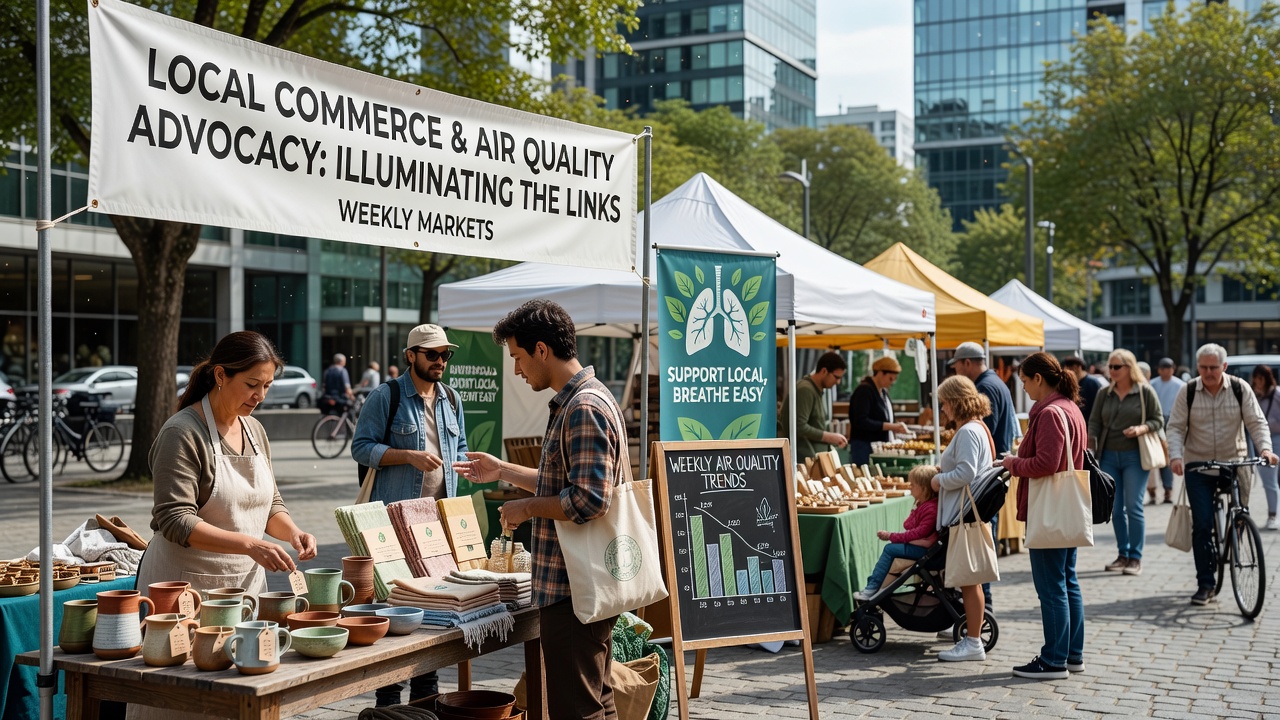
Weekly markets featuring artisan vendors have emerged as focal points where local commerce intersects with efforts to improve air quality in communities across multiple regions, and data from transportation studies show that sourcing goods from nearby producers can reduce vehicle miles traveled for deliveries. Researchers at several universities have documented how these markets encourage shorter supply chains that lower emissions from long-haul trucking, while vendors often incorporate advocacy messages about cleaner air into their stalls through informational displays and product choices that emphasize sustainable materials.
Local Commerce Patterns at Weekly Markets
Artisan vendors operating at recurring weekly events typically sell items produced within a 100-mile radius, and figures from regional economic reports indicate that such practices cut down on the fuel consumption associated with importing mass-produced alternatives. Observers note that these vendors frequently collaborate with local growers and makers to bundle goods, creating efficient pickup points that consolidate customer trips and thereby decrease the number of individual car journeys into commercial districts. In September 2026 several market organizers plan to release updated traffic counts that compare emissions before and after market expansions, building on earlier datasets compiled by municipal planning departments.
Those who track commerce trends point out that artisan participation has grown steadily since the mid-2010s, with participation rates rising in tandem with public awareness campaigns about particulate matter and nitrogen oxides. The structure of these markets allows vendors to educate shoppers directly, handing out materials that reference guidelines from the Environmental Protection Agency on acceptable ozone levels while customers browse handmade ceramics or organic textiles.
Air Quality Data and Vendor Initiatives
Studies conducted by academic teams in North America and Europe have measured correlations between the presence of localized markets and modest declines in neighborhood-level air pollution readings during market hours, although causation remains under further investigation. Vendors have responded by adopting practices such as using electric carts for on-site transport and avoiding single-use plastics that contribute to waste-related emissions, actions that align with broader advocacy goals outlined in reports from the European Environment Agency.
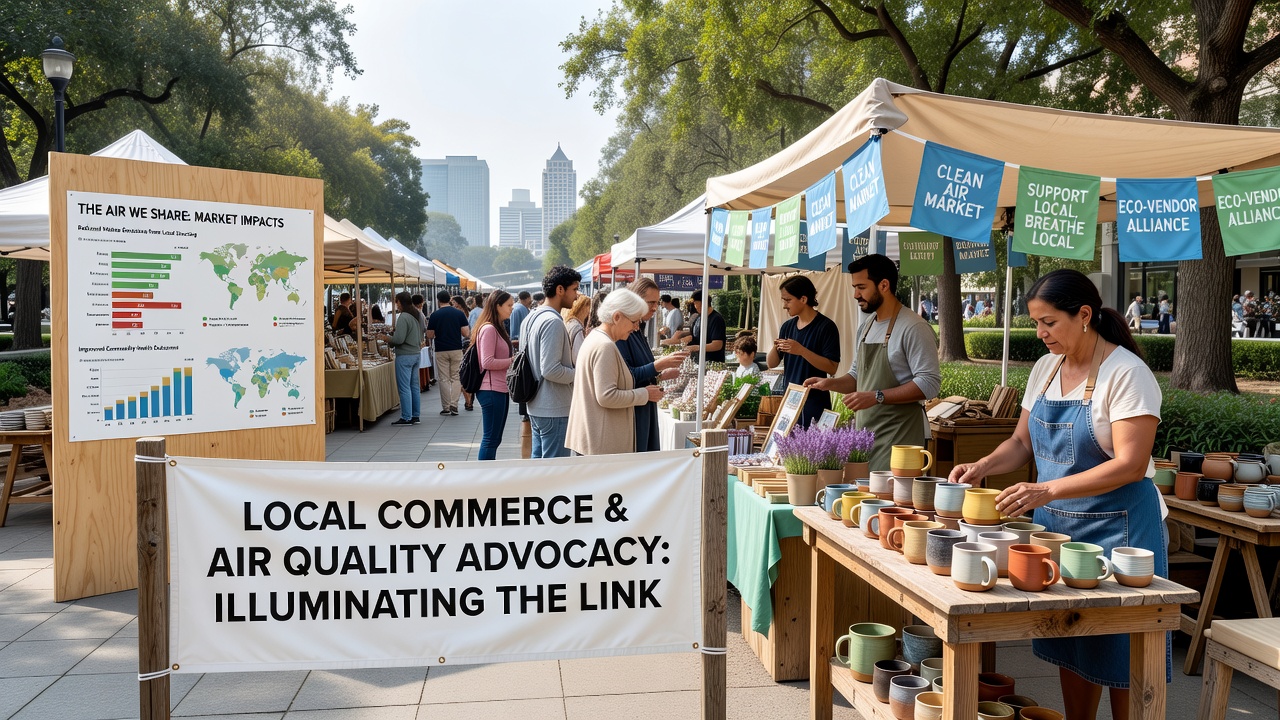
One documented case in a mid-sized city revealed that market vendors organized monthly workshops teaching small businesses how to calculate their delivery-related carbon footprints, resulting in collective agreements to consolidate orders and reduce overlapping routes. Such initiatives demonstrate how daily commerce decisions feed into larger air quality conversations, and participants report that these sessions draw from publicly available inventories maintained by state environmental agencies.
Community Engagement and Advocacy Networks
Advocacy efforts at these markets often take the form of petitions and letter-writing stations set up beside food stalls, where shoppers can sign requests for expanded bike lanes or stricter idling regulations near commercial zones. Local health departments have supplied particulate monitors that volunteers place at market entrances, generating real-time readings shared via community bulletin boards and social media updates. In several documented instances, these readings prompted follow-up meetings with city councils to discuss adjustments to delivery schedules during peak market days.
Researchers discovered that repeated exposure to air quality information at familiar market settings increases the likelihood that shoppers will adopt similar practices at home, such as choosing locally grown produce over imported options. This pattern appears in longitudinal surveys conducted across different climates, from temperate zones in the Pacific Northwest to drier regions in the Southwest, showing consistent shifts in purchasing behavior over two-year observation periods.
Future Outlook for September 2026 and Beyond
Planning documents indicate that market associations intend to host joint events with environmental organizations in September 2026, featuring demonstrations of low-emission transport methods used by artisan suppliers. These gatherings will present comparative data on emissions reductions achieved through consolidated deliveries, drawing from records kept by logistics firms that serve multiple vendors simultaneously. The events aim to expand participation by inviting representatives from neighboring towns to observe operational models already in place.
Continued monitoring by independent research groups will track whether increased vendor numbers translate into measurable improvements in annual air quality indices published by national agencies. Preliminary projections suggest that scaling the current model could contribute to incremental gains, provided infrastructure supports like designated loading zones and public transit access keep pace with market growth.
Conclusion
Artisan vendors at weekly markets continue to serve as visible connectors between everyday purchasing decisions and wider air quality objectives, with available records showing how localized trade patterns influence transportation emissions and public awareness efforts. Ongoing data collection through 2026 and subsequent years will clarify the scale of these effects across varied geographic settings.